How Should Youth Sports Leagues Plan and Manage “Picture Day” Logistics?
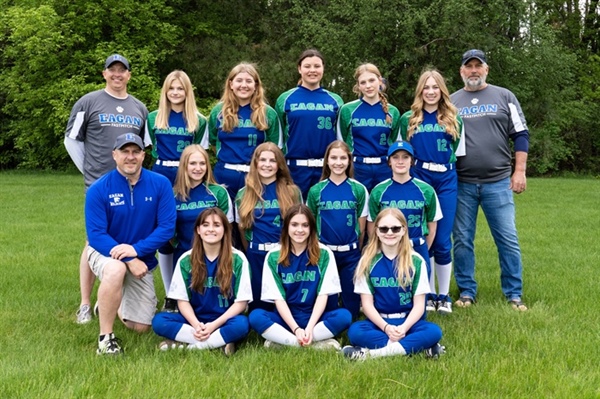
Youth sports picture day requires more than a few quick photos — it demands precise scheduling, communication, and coordination across multiple teams and families. Proper planning ensures the event runs smoothly, photos are delivered accurately, and the experience remains positive for everyone involved. For leagues balancing tight timelines and large participation numbers, understanding these logistics is crucial to success.
In this article, we’ll examine proven methods to manage every aspect of sports picture day. We’ll cover how to coordinate with coaches and parents, plan effective schedules and backups, communicate event details, streamline check-in, and handle post-day operations. With the right structure in place, league sports photography can be efficient, enjoyable, and stress-free for everyone involved, including volunteers and vendors!
Coordinating with Teams, Coaches, and Parents
Effective coordination begins with early communication. League administrators should connect with team managers and coaches well before the season begins to determine roster sizes, field availability, and preferred dates. Sharing initial details about the planned photo day schedule and expectations allows each group to plan ahead. Establishing a central point of contact within the league helps ensure information flows efficiently between the photographer, league staff, and teams.
Coaches play an important role in maintaining order on photo day. Assigning them clear responsibilities, such as confirming player attendance and organizing team arrivals, helps avoid delays. Parents should receive concise, standardized information, ideally distributed by both the league and team managers, ensuring consistent messaging across the organization. This collaboration between staff, coaches, and parents creates predictable routines that minimize confusion during the event.
Well-coordinated planning directly impacts the success of league sports photography. When every stakeholder understands their role and responsibilities, the photographer can focus on image quality and workflow instead of managing logistics, resulting in smoother sessions and a better overall experience for families.
Choosing Dates and Backup Plans (Weather, Conflicts)
Scheduling picture day requires consideration of multiple variables, including league game schedules, field-use permits, daylight hours, and weather. The best approach is to identify the primary date at least one month in advance and to have a clearly communicated backup plan. Selecting a rain date or alternate indoor location helps protect against weather-related cancellations and ensures the league maintains its production timeline.
Conflicts often arise due to tournaments, school events, or holidays. Maintaining an open communication channel with coaches allows leagues to adapt schedules when necessary. A well-prepared master schedule should include detailed arrival times for each team, buffer periods for setup, and designated slots for makeup sessions. This approach minimizes disruptions and maintains a professional appearance on the day of the event.
Professional sports photography companies often provide scheduling software or templates that automate this process. Leveraging these tools allows organizers to update schedules instantly and notify participants of any changes, maintaining order even when adjustments are required.
Communicating Photo Day Details to Families
Clear communication with families determines how smoothly photo day runs. Leagues should distribute photo day details — time slots, location, attire guidelines, and order forms — at least two weeks before the event. Multiple communication channels, such as email, text alerts, and printed handouts, ensure that families receive consistent, verified information.
Many leagues also provide online portals for parents to view ordering options and prepare in advance. This minimizes last-minute confusion at check-in and allows families to make informed decisions before arrival. Including a FAQ section in announcements helps address recurring questions such as payment methods, rain policies, or uniform requirements.
Consistent communication reduces missed appointments and enhances overall participation. By maintaining clarity and professionalism in all messaging, leagues demonstrate reliability and organization, building trust with families and reducing stress on picture day.
Strategies to Streamline Check-In and Pose Management
Operational efficiency on picture day relies on a clear system for check-in and team flow. Organized staging areas allow photographers to manage multiple teams simultaneously without delays. Each team should have a designated arrival time, with signage directing families to check-in points. Staff or volunteers can verify player names, confirm pre-orders, and hand out any necessary identification cards before the session begins.
Once check-in is complete, efficient pose management ensures that the process stays on schedule. Pre-determined setups for individuals and team photos minimize time spent adjusting equipment. Providing visual guides or printed examples for team formations speeds up the process and maintains consistent framing across all groups.
Photographers and assistants should maintain communication through headsets or two-way radios to manage transitions between teams smoothly. When handled professionally, this system reduces downtime and keeps large-scale sessions organized—particularly for leagues with hundreds of participants.
Post-Day Follow Up: Testing, Proofs, Re-Shoots
After the event, meticulous organization remains critical. Photographers should conduct quality checks on all images before releasing proofs. This step includes verifying player names, team associations, and ensuring images meet exposure and focus standards. Proofs are typically delivered through secure online galleries that allow parents to review and select products conveniently.
Clear instructions on how to view, order, or request re-shoots prevent confusion and reduce administrative workload. For leagues, establishing defined timelines for these actions ensures that all participants receive their photos promptly. Maintaining digital backups of each session provides security against accidental data loss and simplifies re-order processing.
Sport Star Photography manages post-event processes with professional workflows and advanced cataloging systems that help maintain image accuracy and quality. For detailed service options and examples, visit Sport Star Photography to explore their league solutions and contact options.
Partnering with Sport Star Photography for Professional League Support
Sport Star Photography specializes in large-scale youth sports photo operations designed for efficiency, accuracy, and exceptional quality. Our streamlined systems support organizations at every step, from pre-event planning to post-production fulfillment.
With years of experience and advanced workflow management, Sport Star Photography offers reliable results for both small community leagues and regional athletic programs. To learn more about our league photography services, contact us today!