What Are Best Practices for Preserving and Archiving Youth Sports Photos?
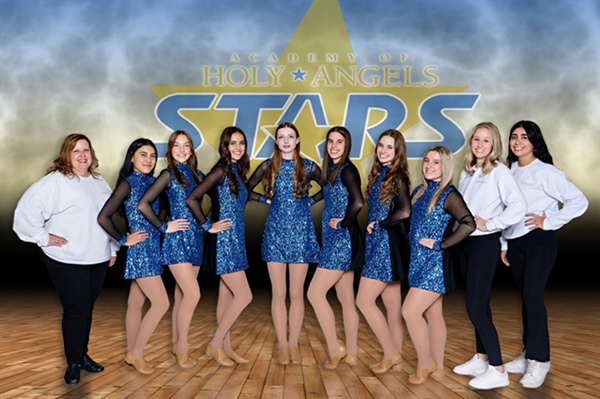
Youth sports photos capture some of the most important moments in a young athlete’s life. From their first season on the field to championship wins, these images document growth, teamwork, and achievement.
Yet as digital storage and online galleries have replaced traditional prints, understanding how to preserve and archive these memories long-term has become increasingly important. Whether you’re a parent, coach, or league organizer, knowing how to manage both physical and digital archives ensures these images stay accessible for years to come.
This article explores best practices for preserving and archiving youth sports photos across five key areas: digital archiving vs printed collections, gallery accessibility duration, organizing photos over multiple seasons, reordering or adding prints later, and data backup, file formats, and resolution standards.
Drawing from Sports Star Photography’s experience capturing and managing thousands of youth sports memories, this guide provides a structured approach for maintaining lasting, organized, and secure collections.
Digital Archiving vs Printed Collections
Digital archives have become the standard for preserving youth sports photos due to their accessibility and longevity. Online galleries allow parents and athletes to instantly view, download, and share images.
These platforms typically store high-resolution files that can be accessed from any device, reducing the risk of physical degradation. When stored in multiple locations or backed up using cloud services, digital archives can last indefinitely without losing quality. They also provide opportunities for metadata tagging and chronological organization, which are essential for large collections spanning multiple teams or years.
Printed collections, while traditional, still hold strong sentimental and archival value. Physical albums, framed prints, and team composites remain popular because they offer a tactile and displayable format. However, printed materials require environmental control to prevent fading, moisture damage, or paper deterioration. Using archival-grade paper, UV-resistant coatings, and climate-stable storage containers can significantly increase their lifespan. Combining digital and print strategies ensures both preservation and display flexibility.
Modern youth sports photography programs often integrate both approaches, offering downloadable high-resolution files alongside premium print options. This hybrid model guarantees long-term preservation and easy reprinting as technologies evolve.
How Long Should Galleries Remain Accessible?
The duration that photo galleries remain accessible depends on the storage model used by the photographer or hosting service. Most professional sports photography studios maintain galleries for a defined period, typically ranging from 12 to 24 months. This duration provides ample time for families to review, select, and order prints while minimizing the cost of digital storage. After this period, archives may be relocated to offline or secondary storage systems, ensuring that images are preserved without requiring active public hosting.
For organizations, maintaining long-term accessibility requires an archival policy. Backups of full-resolution files should be kept in at least two distinct locations — one local and one cloud-based. This dual redundancy model protects against hardware failure, accidental deletion, and data corruption. Many systems now allow for automated retention policies that alert clients before galleries expire, giving them the opportunity to download or purchase digital copies before archival transfer.
To manage accessibility effectively, youth sports organizations should maintain an internal record of gallery links, season dates, and access credentials. This practice helps ensure that no collection is lost, even after public access is closed on platforms such as sports photography sites.
How to Organize Photos Over Multiple Seasons
Organizing photos over several seasons requires a consistent and well-structured folder system. The most effective approach is hierarchical organization: top-level folders by sport, subfolders by year, and further subdivisions by team or event. Metadata tags such as player name, jersey number, and event location make it easier to locate specific images later. This method is scalable and compatible with both local and cloud-based systems.
File naming conventions play a critical role in organization. Each file should include key identifiers such as the player’s name, season, and team code. For example, “2025_U12Soccer_SmithJ_45.jpg” allows for quick searchability and uniformity across archives. Using software that supports EXIF and IPTC metadata editing can add extra layers of organization, embedding searchable data directly into image files.
Long-term organization benefits from version control and synchronization tools that automatically update all devices when edits or additions occur. This ensures the integrity and structure of the collection remain consistent across multiple seasons and users.
How to Reorder or Add Prints Later
Reordering or adding prints after a season requires proper data retention and accurate recordkeeping. Professional studios typically maintain digital copies of every order, including cropping, background, and sizing details. This allows for exact replication of previous orders without re-editing or rescanning. Clients should maintain a record of their order confirmation numbers and gallery links for quick retrieval.
When reordering older prints, it’s critical that the original high-resolution files are available. Compressed or low-resolution web previews will not produce quality prints. A robust archiving policy ensures these files remain stored at full resolution and with accurate color profiles. Studios using centralized asset management systems can retrieve and process these files efficiently even years later.
In cases where galleries are offline or no longer publicly listed, contacting the studio directly via their archival retrieval process can restore access. Sports Star Photography maintains structured archives of past seasons, allowing accurate reproduction of prior images and collections.
Data Backup, File Formats, and Resolution Considerations
Data preservation depends heavily on the choice of file format, backup method, and resolution standards. Professional photographers generally store files in lossless formats such as TIFF or RAW to preserve complete image detail. For client delivery, high-quality JPEGs are typically used to balance quality and compatibility. Maintaining the original RAW files ensures future flexibility in editing or reprocessing as technology evolves.
Resolution is another critical factor in archival longevity. Images should be stored at a minimum of 300 DPI (dots per inch) to support both digital display and print reproduction. Lower resolutions limit future usability, particularly for enlargements. Alongside file format, maintaining accurate color calibration and embedded ICC profiles ensures that reprints maintain their original appearance regardless of printer or medium.
Comprehensive data backup involves a 3-2-1 strategy: three total copies of each file, stored on two different media, with one copy stored offsite. This redundancy model provides resilience against equipment failure and environmental risks. For archival inquiries or long-term storage coordination, visit Sports Star Photography for more information.
Preserving Youth Sports Memories with Professional Support
Sports Star Photography offers expertise in both digital and print preservation for youth sports photography. With professional-grade equipment, data management standards, and secure hosting infrastructure, our process guarantees that every image maintains quality and accessibility over time.
Whether managing multi-season collections or retrieving archived images, our technical support and data handling protocols provide a reliable way to preserve your youth sports legacy. For ordering assistance or archival inquiries, contact us or call 612-824-3509 today!
Sports Star Photography
18336 Minnetonka Blvd
Wayzata, MN 55391
Phone: 612-824-3509