What Are the Turnaround Times in Youth Sports Photography?
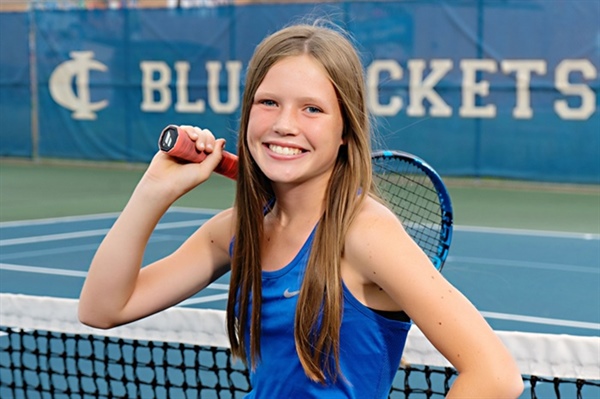
Capturing young athletes in action is one of the most rewarding parts of sports photography, but many parents and coaches wonder how long it takes to receive those finished images. Turnaround time in youth sports photography varies depending on several factors, including post-processing steps, volume of photos, and quality control standards.
At Sports Star Photography, attention to detail and efficient workflows balance fast delivery with professional quality, giving families reliable access to memorable sports portraits. In this article, we’ll examine the key elements that influence turnaround times and what clients can expect during the process. We'll explore what steps in processing contribute to delay, how to set realistic expectations, how expedited services work, what quality control checks happen before delivery, and effective communication strategies when delays occur.
These insights can help parents and organizations understand what happens behind the scenes of sports photography and why precision matters as much as speed.
What Processing Steps Can Contribute to Delays?
Post-production is where much of the time in youth sports photography is spent. Once images are captured, photographers sort thousands of shots to select the best ones, eliminating duplicates, blinks, or blurred images. This culling process alone can take several days for large leagues or tournaments. After selection, editing begins — color correction, cropping, exposure balancing, and background enhancement all require manual attention to maintain consistent quality across hundreds of photos.
Another contributor to longer timelines is batch processing and rendering. When dealing with multi-team events, high-resolution files must be resized, formatted, and uploaded into digital galleries. Each player’s gallery is often customized with name overlays or team branding, which adds to the total production time. Professional youth photographers like those at Sports Star Photography use automated systems where possible while maintaining manual oversight for quality assurance.
Production steps such as retouching, printing, and packaging also add to the overall turnaround. Physical orders — prints, plaques, and memory mates — go through a fulfillment pipeline involving multiple vendors. The time required for these steps ensures that the final product meets professional standards for sports photography.
How to Set Realistic Expectations
Setting clear expectations from the start helps clients understand what is reasonable. Average turnaround times in youth sports photography range from two to six weeks, depending on the season, event size, and order complexity. Larger tournaments or multi-day shoots can take longer due to file volume. Clients should anticipate that each image undergoes several layers of review before delivery, particularly for print orders or high-volume leagues.
Photographers establish delivery windows based on experience and workflow efficiency. Communicating these timeframes before the shoot helps prevent misunderstandings. Teams can also influence timing by submitting rosters, order forms, and approvals on schedule. Missing information or incomplete forms frequently create bottlenecks that extend the timeline.
Transparency and early planning produce smoother outcomes. When clients understand the post-shoot process, they can appreciate that quality editing and production take time. Experienced providers like Sports Star Photography maintain consistent schedules and communicate clearly when seasonal surges affect delivery speed.
How Expedited Services Work (Rush Orders)
Rush orders exist for families or organizations that need photos sooner than standard delivery windows allow. These expedited services prioritize processing and fulfillment within a compressed timeframe, often one to two weeks. Achieving this speed requires adjusting internal workflows and dedicating specialized editing resources to those projects.
Expedited services may include direct digital delivery rather than printed packages, allowing clients to receive high-resolution images almost immediately after editing. This approach works well for events with time-sensitive needs, such as banquets, press releases, or yearbook deadlines. Photographers offering rush options typically implement additional review stages to confirm that rapid processing does not reduce quality.
While accelerated delivery is convenient, it often incurs additional costs due to overtime editing or prioritized print handling. Still, the balance between timeliness and craftsmanship remains a hallmark of professional youth sports photography, and providers like Sports Star Photography deliver consistent results through both standard and expedited workflows.
Quality Control Checks Before Delivery
Quality control is one of the most critical stages before clients receive their photos. Photographers conduct final reviews to confirm accurate exposure, consistent color balance, and correct cropping across all images. For team and individual portraits, uniformity is key — lighting, posing, and background must align with the overall visual style established by the photographer.
In professional operations, every image batch is reviewed against pre-set quality standards. Any images that fail to meet technical benchmarks are re-edited or replaced. The print production stage introduces another layer of verification where printers confirm that calibration matches the digital file for color accuracy. Each product, from memory mates to banners, is inspected before packaging and delivery.
This level of review ensures that clients receive photos reflecting the same high standards across every order. It also prevents errors like incorrect cropping, off-color prints, or naming issues, which can occur in automated processes without manual checks. Maintaining these quality steps ensures consistent reliability that families expect from professional sports photography providers.
Communication Strategies When Delays Happen
Delays can occasionally occur due to high-volume event seasons, printing backlogs, or unexpected technical issues. Clear communication is essential to maintaining trust during these times. The best studios establish direct client communication channels through email updates, order portals, or SMS alerts to keep clients informed of progress and estimated delivery changes.
When issues arise, transparency about cause and resolution timelines helps prevent frustration. Many professional studios also provide self-service tracking dashboards that allow parents and team managers to monitor order progress. These systems reduce inquiries and improve client satisfaction, especially during peak sports seasons.
Effective communication goes beyond reporting delays — it demonstrates accountability and professionalism. Companies like Sports Star Photography have protocols that emphasize proactive outreach rather than reactive responses, ensuring clients always know where their orders stand and what to expect next.
How Sports Star Photography Helps You Get Results Faster
Sports Star Photography offers a structured workflow, trained editing staff, and efficient client communication systems that help deliver consistent, high-quality youth sports photos. Whether processing thousands of images from a weekend tournament or providing individual athlete portraits, our team’s focus on streamlined production, quality control, and transparency keeps projects on schedule and clients informed.
By combining experience, technology, and clear communication, Sports Star Photography maintains an industry reputation for dependable timelines without compromising artistic quality. To learn more or discuss upcoming sports photography projects, contact us today!